 |
 |
 |
|
|
|
|
|
|
Select your language


|
|
|
|
|
|
|
|
|
We make the power lines along the Danube river safe for birds.
Because a world without birds would be a sad place.

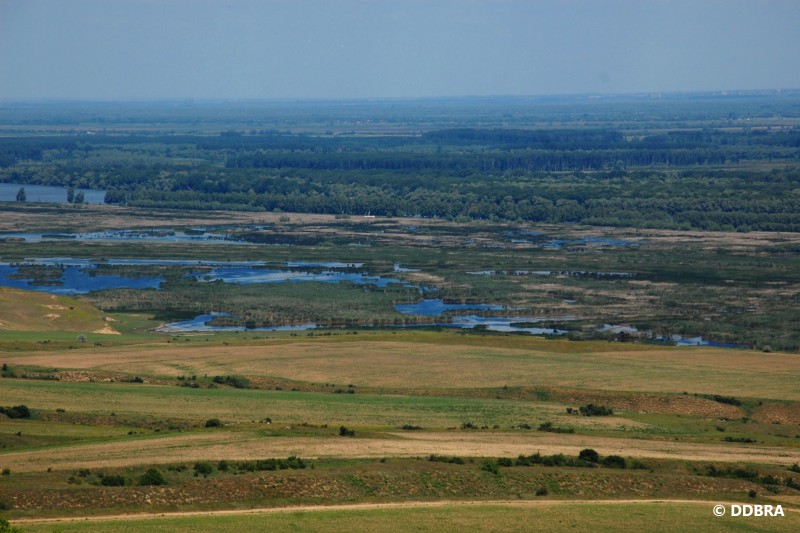

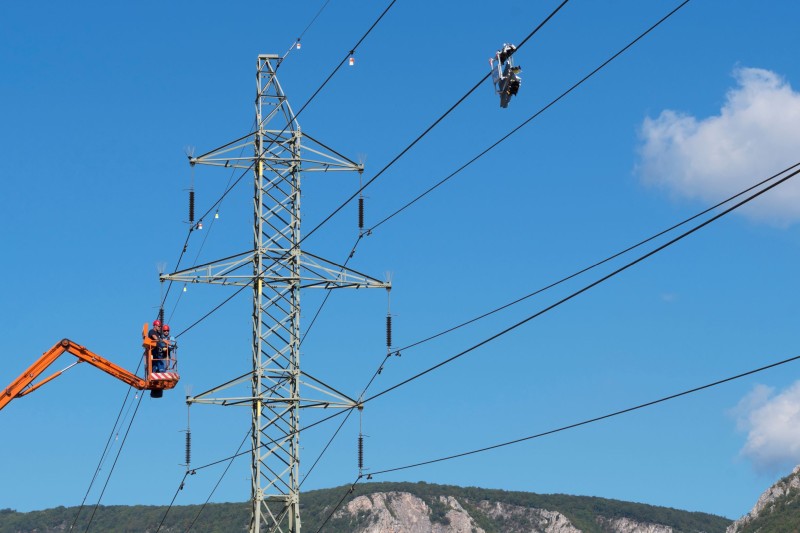


Transnational project to prevent thousands of birds from electrocution and collisions with power lines
Project title: Transnational conservation of birds along Danube river
In view of the current climate and environmental crises, the need for the protection of the suffering wildlife on our planet has become more crucial than ever. One of the biggest threats for the wild living species of birds is electrocution and collisions with power lines causing thousands of avoidable deaths and injuries. These threats are targeted by the LIFE Danube Free Sky project representing a unique example of wide transnational cooperation along with one of the most important migration corridors, stop-over sites, and wintering places for many bird species in Europe - the Danube river. During the period of over 6 years of project implementation, 15 partners from 7 countries will develop strong collaboration and implement the most effective solutions in order to prevent existential threats to birds. After this period, the visibility of more than 265 km of top priority power lines will be increased. More than 4400 of the most dangerous poles within the project area will be adjusted to ensure birds´ safety.
Bird mortality caused by interaction with power lines and other electric-utility structures has been documented for over 380 species of birds, including critically endangered and threatened ones. Around 2074 km of 8 types of above-ground power lines dangerous for birds can be found within the LIFE Danube Free Sky project area. The impact of this range of power lines represents a serious and considerable threat to wintering and breeding/reproducing population of 12 target species. By the installation of bird flight diverters and insulation of dangerous poles in 23 Special Protection Areas and 9 Important Bird Areas, the project will prevent about 2000 individuals of bird species from being killed or injured after collision with wires and/or due to electrocution EVERY YEAR.
Preventing birds from collisions and electrocution is important to compensate for other threats that the endangered species need to face. The restoration of water habitats along the Danube river was carried out under many other LIFE projects so far. As a result, the birds are more attracted to the restored sites, including the target species. Therefore, it is necessary to prevent them from being killed on power lines in such areas.
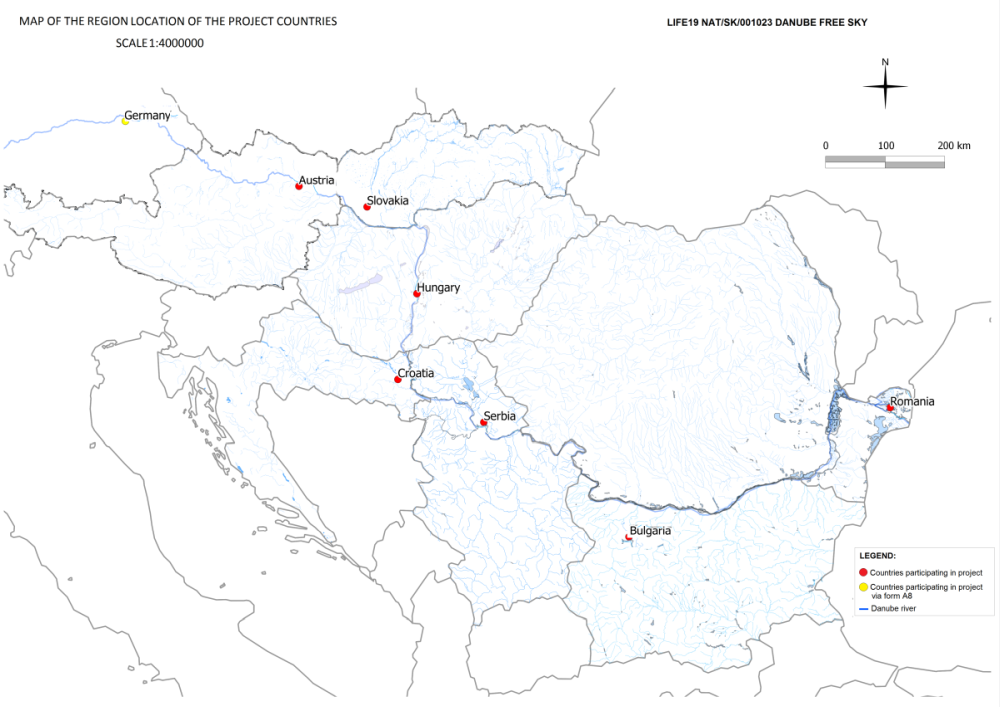
The LIFE Danube Free Sky project represents an example of wide transnational cooperation. Strong collaboration is presented of beneficiaries from 7 countries (Austria, Slovakia, Hungary, Croatia, Serbia, Bulgaria, Romania) including the private commercial sector (8 electric companies and 1 railway company), nature conservation authorities, municipality, and private non-commercial entities. The project presents a solution to one of the biggest threats for the wild living species of birds nowadays – interaction with the power lines.
 The LIFE Danube Free Sky – Transnational conservation of birds along the Danube river (LIFE19 NAT/SK/001023) project has received funding from the LIFE Programme of the European Union.
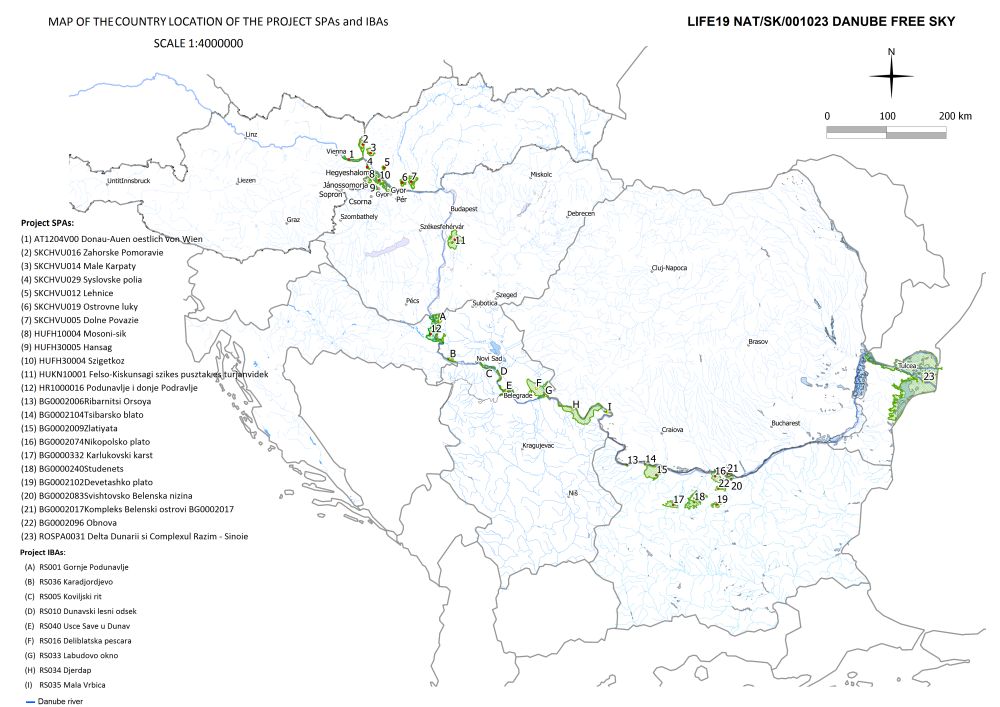
The project area consists of 23 Special Protection Areas (SPAs) and 9 Important Bird Areas (IBAs):
SPAs are part of NATURA 2000 – the largest coordinated network of protected areas in the world, consisting of over 18% of the EU´s land area and more than 8% of its marine territory.
IBAs are places of international significance for the conservation of birds and another biodiversity, while the main purpose of the IBA Programme of BirdLife International is to secure the long-term conservation of locations that are significant for birds and biodiversity.
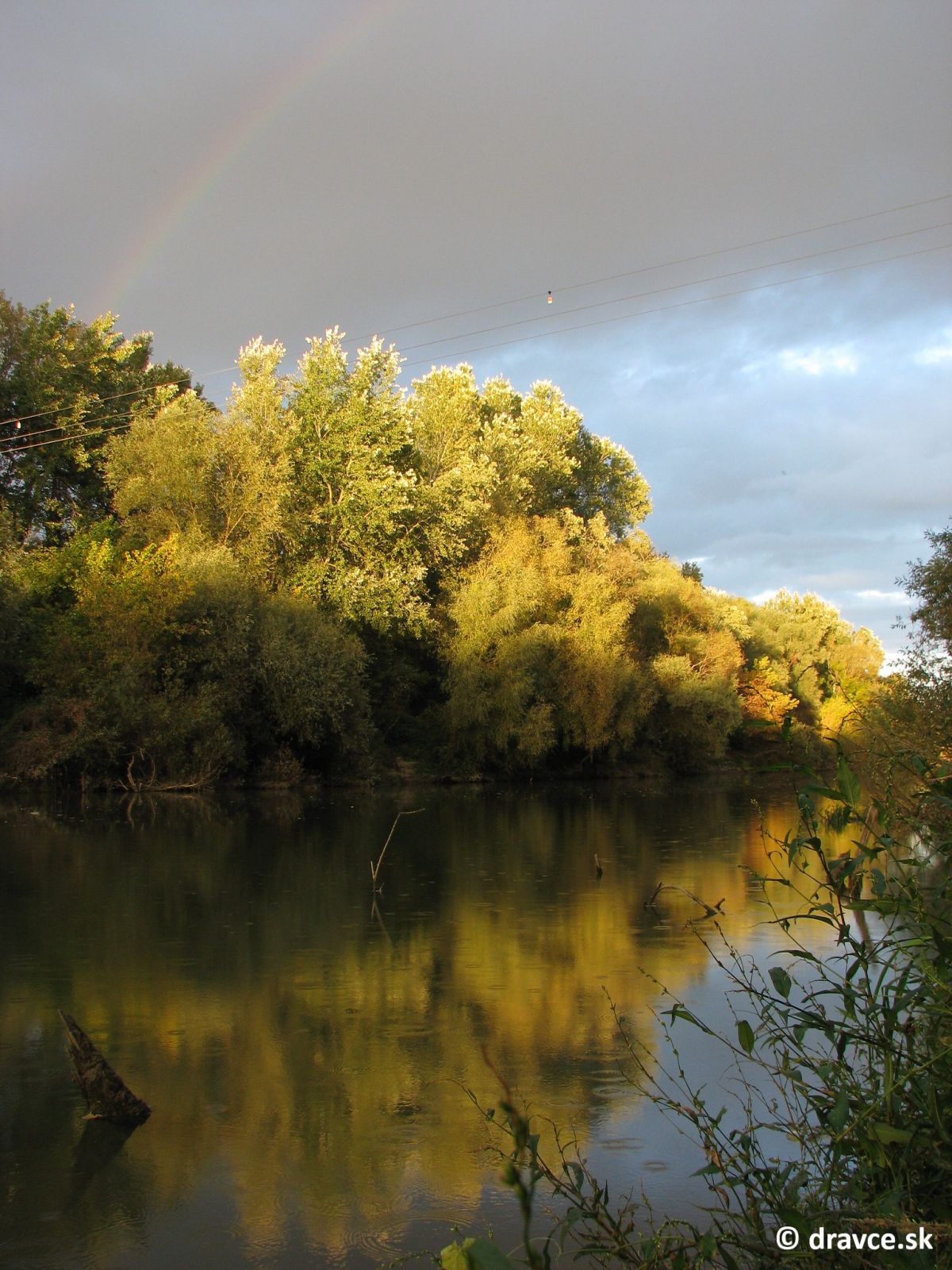
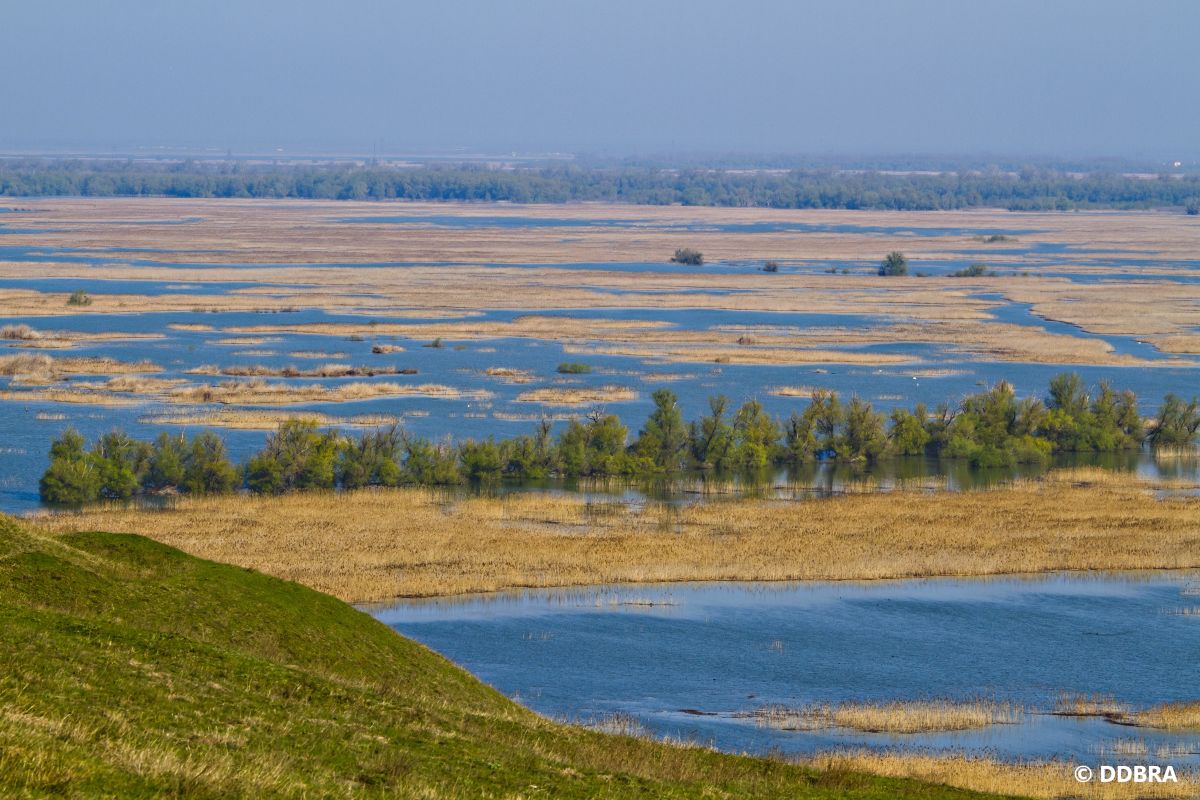
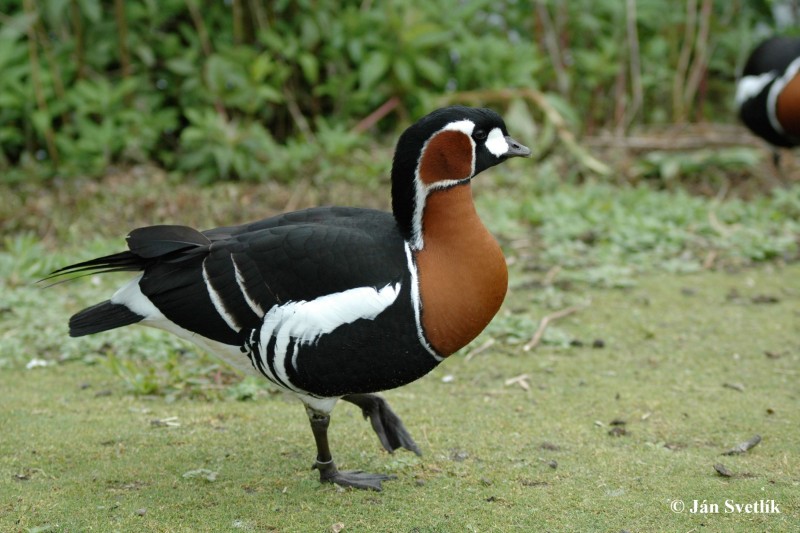
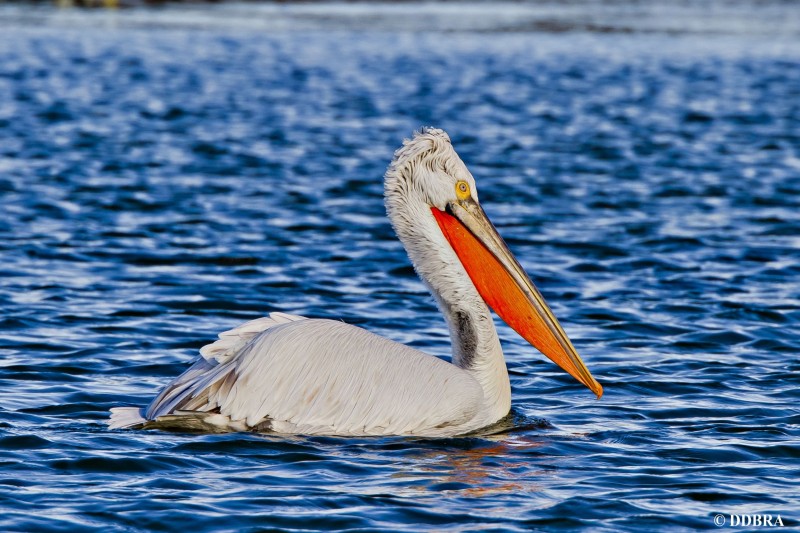
With its riparian zones and riverine habitats, the Danube forms ecological networks and often build the backbone for bio-corridors. In addition, the corridor and its adjacent areas attract hundreds of bird species. Every year millions of birds follow the Danube on their spring and autumn odyssey to and from distant migrating sites. Only the Lower Danube and Danube Delta host some 360 species of birds, including the rare Dalmatian Pelican, as well as 90% of the world population of Red-breasted Geese. Many of these species have undergone a dramatic decline in recent decades. Due to electrocution and/or collision, EACH YEAR this range kills 20% of the reproducing population of the Imperial Eagle, the Saker Falcon, and the Dalmatian Pelican.

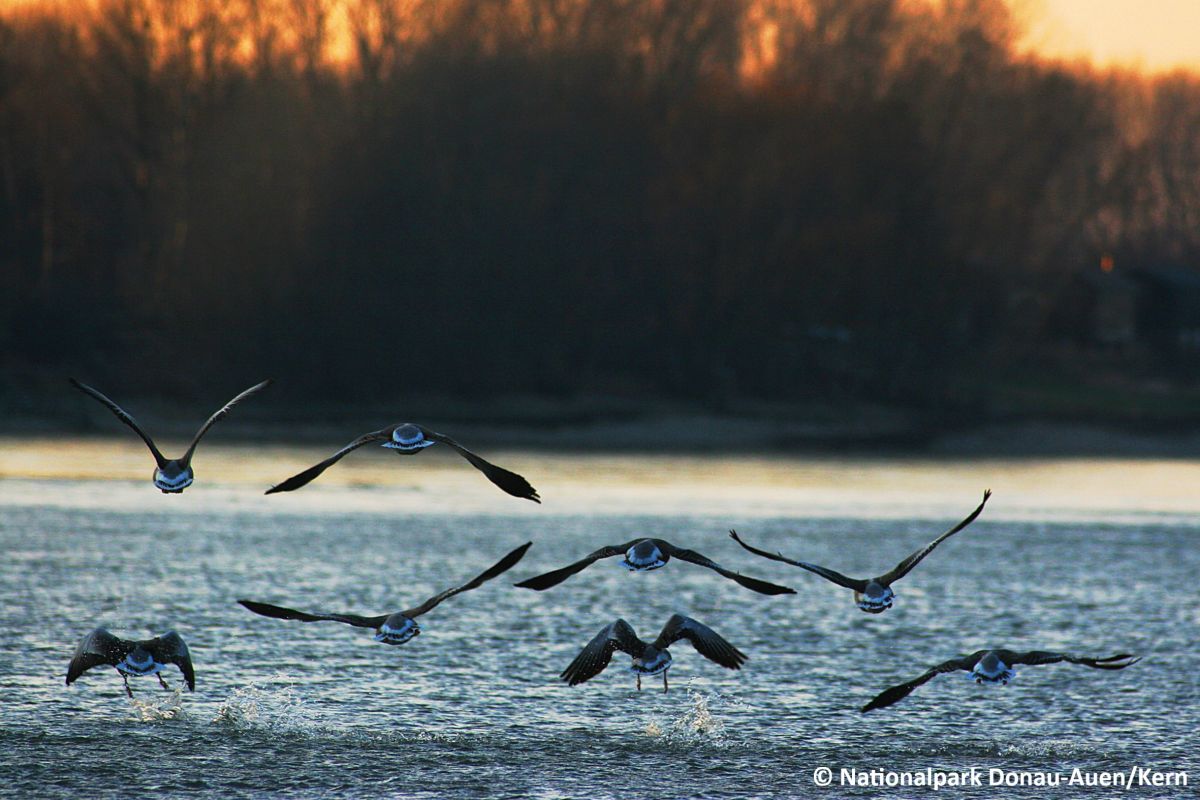
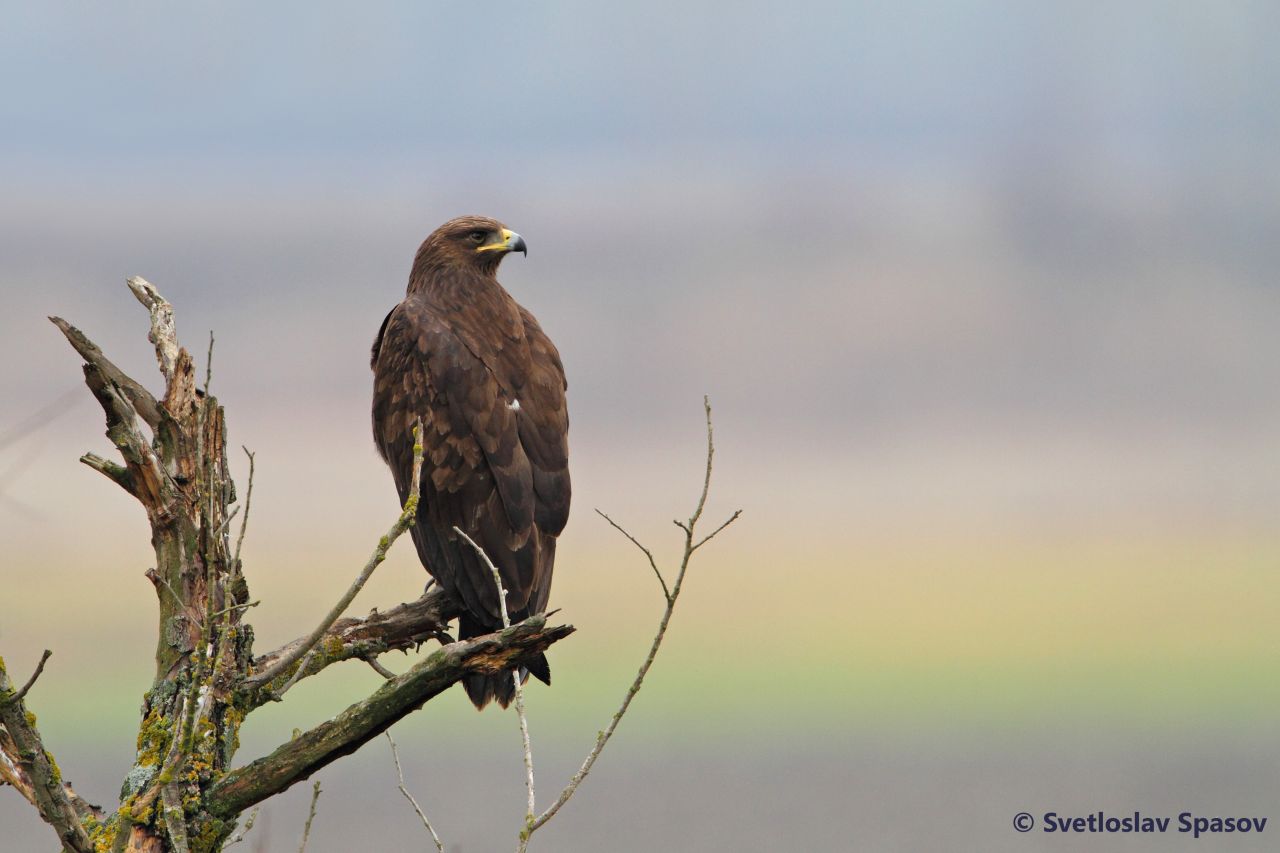
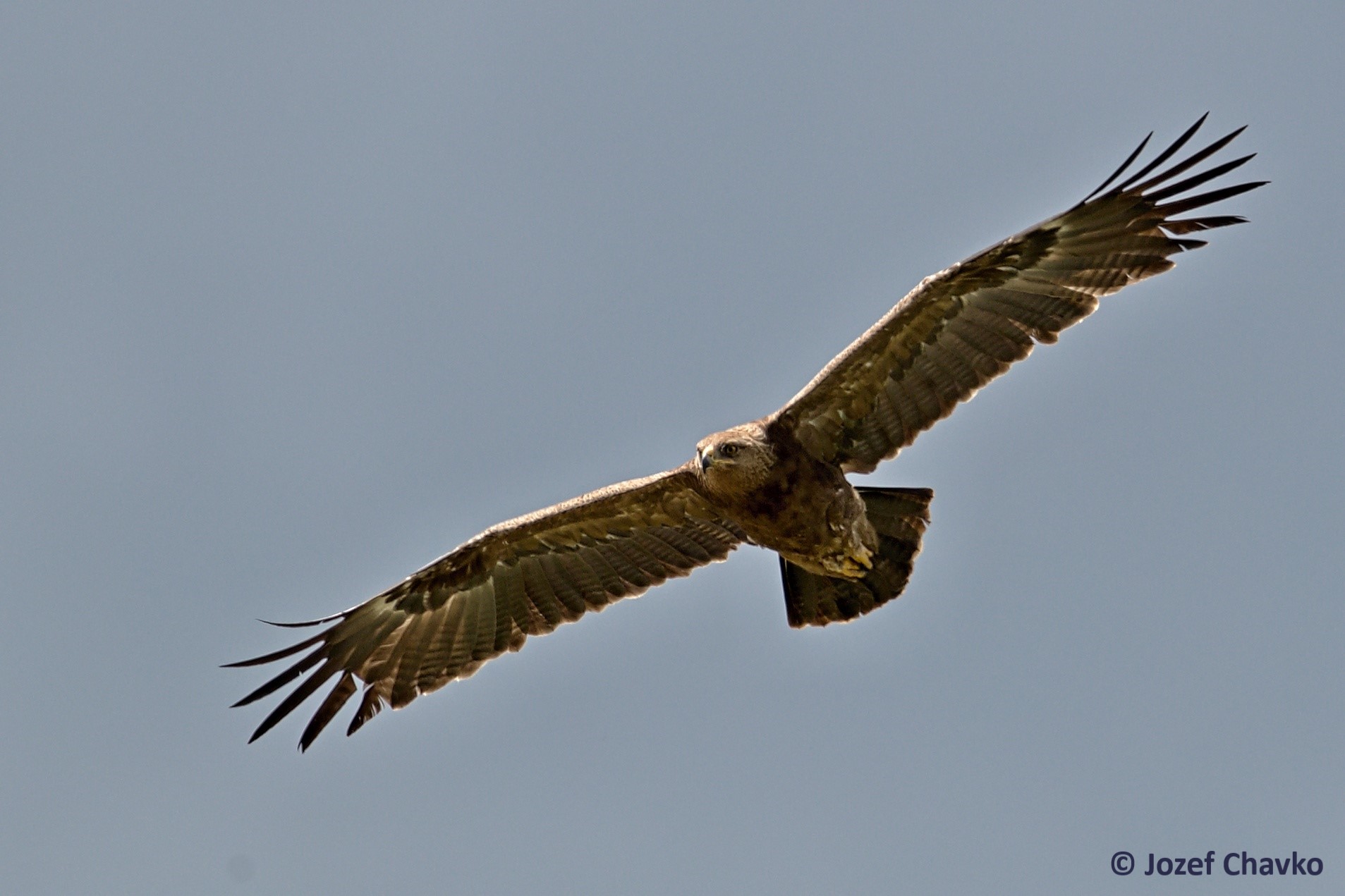
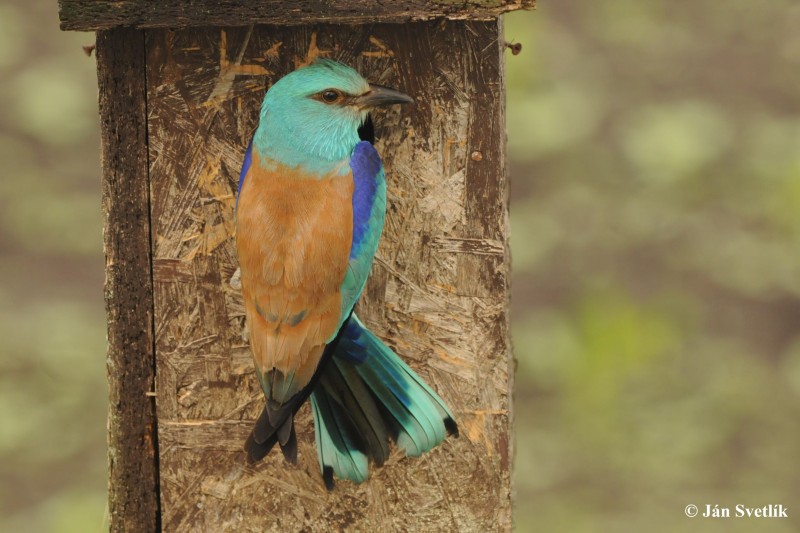
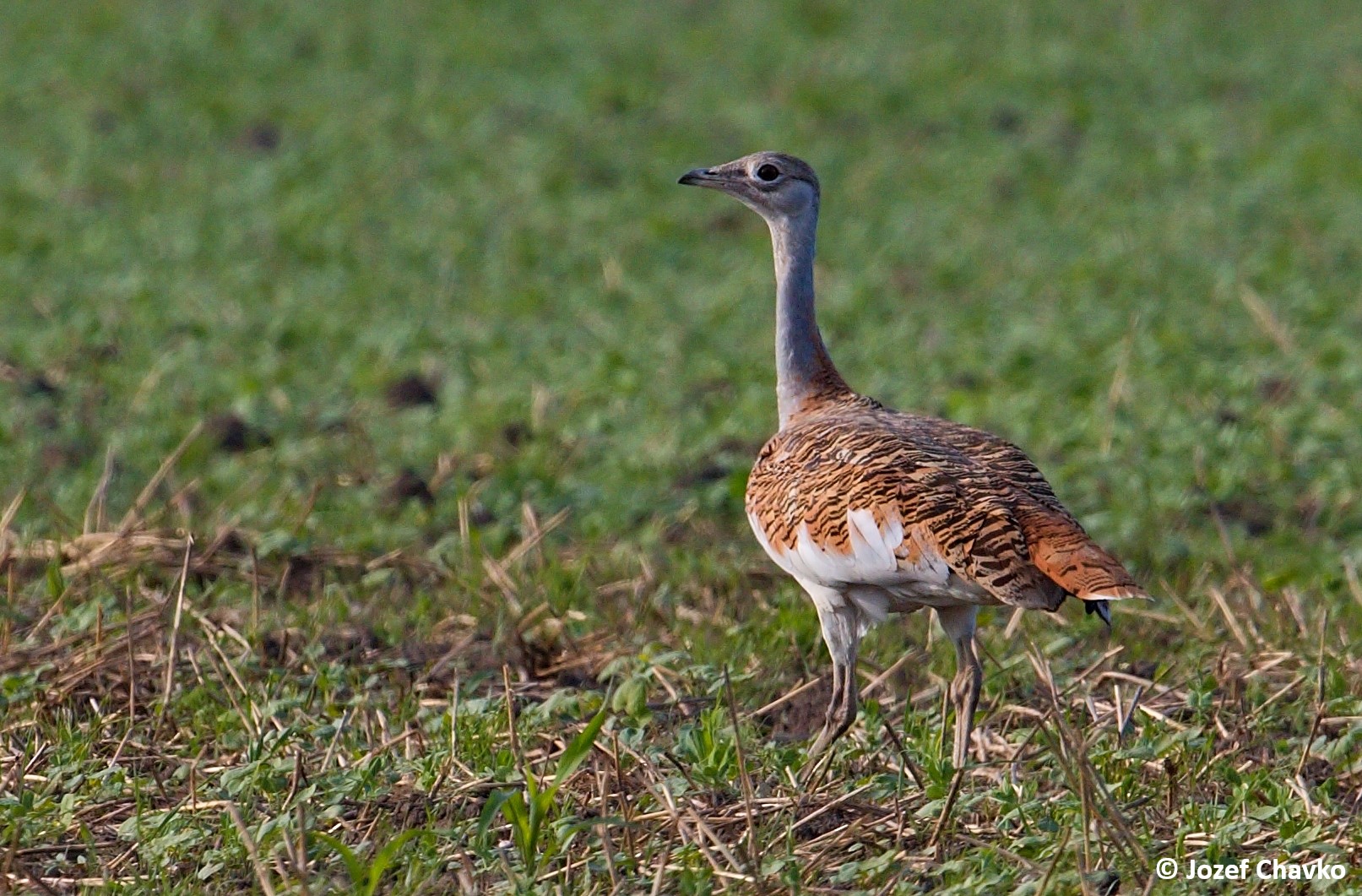
Each of the target species are legally protected in all project countries. All of them are at risk of collisions with the overhead wires of above-ground electrical infrastructure or under the risk of electrocution (APLIC, 2012).




 |
 |
 |
 |
 |
 |
 |
 |
 |
 |
 |
 |
 |
 |
 |

The LIFE DANUBE FREE SKY project has received funding from the LIFE Programme of the European Union. More info.

The LIFE DANUBE FREE SKY project is part of nature conservation and biodiversity projects in Natura 2000. More info.

The LIFE Danube Free Sky project is co-financed by the Ministry of Environment of the Slovak Republic.
 |
 |
 |
Email: [email protected]